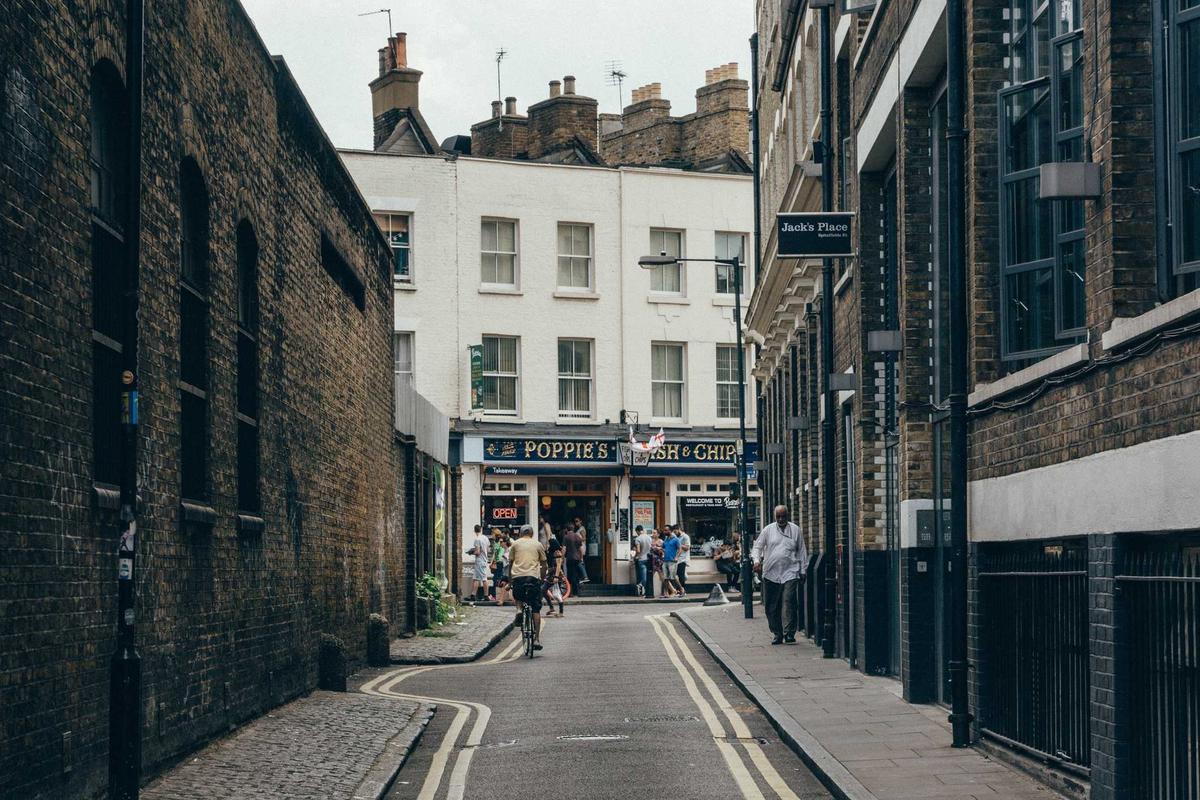
For the first time in a decade, the British high street has witnessed a seismic shift: local brands are outperforming global chains. Data from the British Retail Consortium reveals a 4.2% rise in sales for independent retailers compared to a 1.3% decline for multinational chains in Q2 2023. This isn't a momentary blip; it's a structural realignment driven by evolving consumer consciousness and technological empowerment.
The narrative has been reversed. Where once we flocked to the familiar neon logos of global giants, we now seek authenticity embedded in local supply chains, artisanal craftsmanship, and a sense of community. The pandemic accelerated a latent desire to support local economies, but the staying power comes from digital tools that level the playing field. Square, Shopify, and Instagram have democratised commerce, allowing a butcher in Leeds or a bookshop in Bath to compete with Amazon's logistics. The user experience of the high street has been redesigned: it's not just about transactions, but about stories.
Consider the case of 'Penny & Co.', a haberdashery in Manchester that saw a 60% revenue surge after embracing augmented reality to let customers visualise fabrics in their living rooms. Or 'The Cornish Bakery', which uses blockchain for transparent sourcing, ensuring every pasty can be traced to its farm of origin. These are not gimmicks; they are responses to a demand for trust and transparency that global chains struggle to deliver.
However, we must guard against a 'Black Mirror' outcome: the fear that this resurgence is merely a curated illusion, with algorithms dictating which local brands succeed. The risk of a winner-takes-all dynamic within local ecosystems is real. If every artisan brewer or organic grocer uses the same data analytics platforms, we may end up with a monoculture of 'local' brands that feel homogenised. Digital sovereignty becomes critical: the local high street must retain control over its data and narrative, not cede it to the same Big Tech forces it once escaped.
Regulation too must evolve. The current business rates system penalises physical retail while favouring online giants. A digital services tax that funds high street regeneration could swing the pendulum further. The UK government's 'High Street Task Force' has proposed piloting 'Tech Hubs' in vacant shops, blending retail with community digital skills training. If we get this right, the high street becomes a hybrid space: a place to buy, learn, and connect, underpinned by technology that serves human needs rather than extracts attention.
This renaissance is fragile. Global chains will fight back with aggressive pricing and marketing. But the momentum is clear: we have rediscovered value in the tangible and the local. The high street is no longer a relic of the past but a laboratory for a more human-centric economy. The question is whether we can sustain it without sacrificing the very independence that makes it thrive.