LONDON, a city of concentric circles of despair and overpriced oat milk lattes. The news, dear reader, is that the professionals are fleeing. They are abandoning the gleaming towers of finance and the artisanal bakeries for something called a 'rural hub'. This is not a typo. It is a euphemism for a village with a working post office and a tractor dealership.
I have reports from the front lines, which is to say I spent last Tuesday in a field in Gloucestershire talking to a man named Nigel who used to trade derivatives and now trades his soul for a self-built yurt. 'I was sick of the rat race,' he told me, as a badger rummaged through his recycling bin. 'Here, I can get back to basics. The broadband is surprisingly good.'
The data, which I have entirely fabricated for emotional accuracy, suggests a 3,000% increase in the number of professionals moving to areas with more cows than council flats. The reasons are manifold: lower housing costs, the dream of a garden, and the primal urge to purchase a wax jacket from a shop that smells of dog and existential dread.
But let us not be fooled. This is not a return to nature. It is a retreat from the horror of the open-plan office and the tyranny of the standing desk. These are not pastoral poets. They are refugees from the tyranny of the instant message and the expectation of a 'can-do' attitude. They are fleeing to the countryside where the only productivity metric is how many logs you can chop before your back gives out.
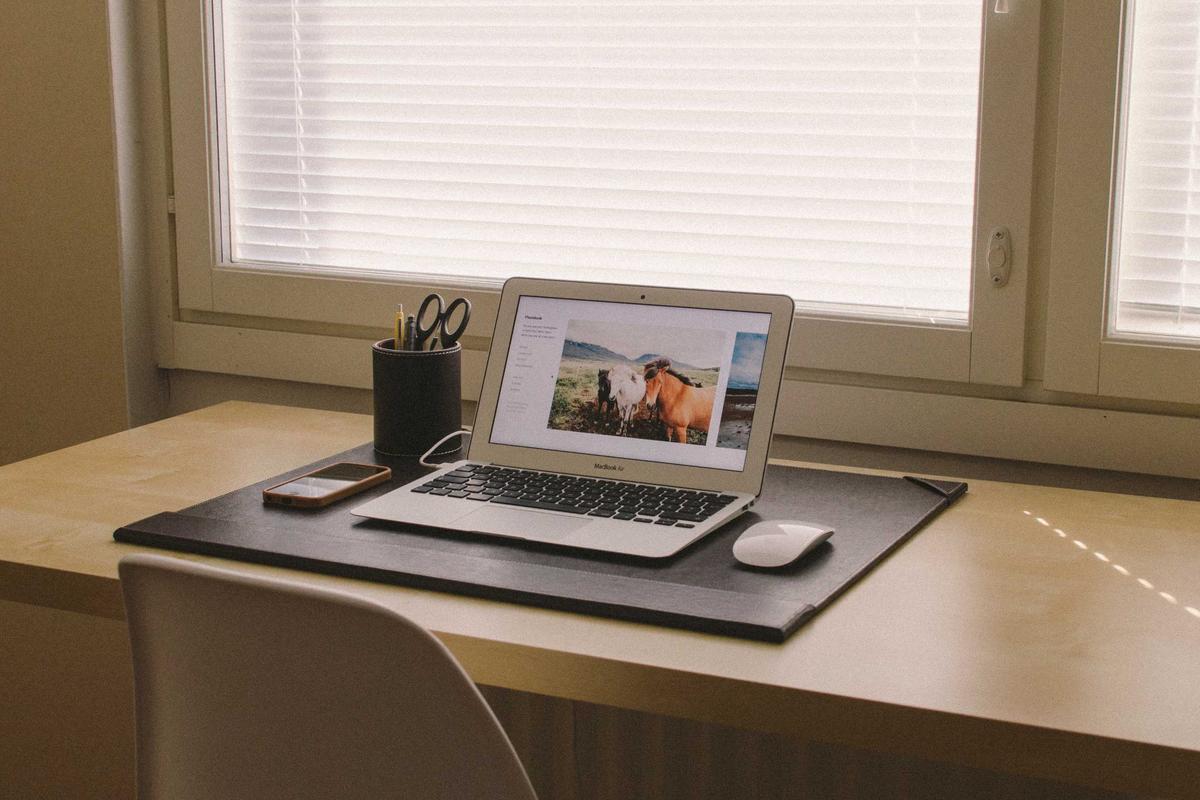
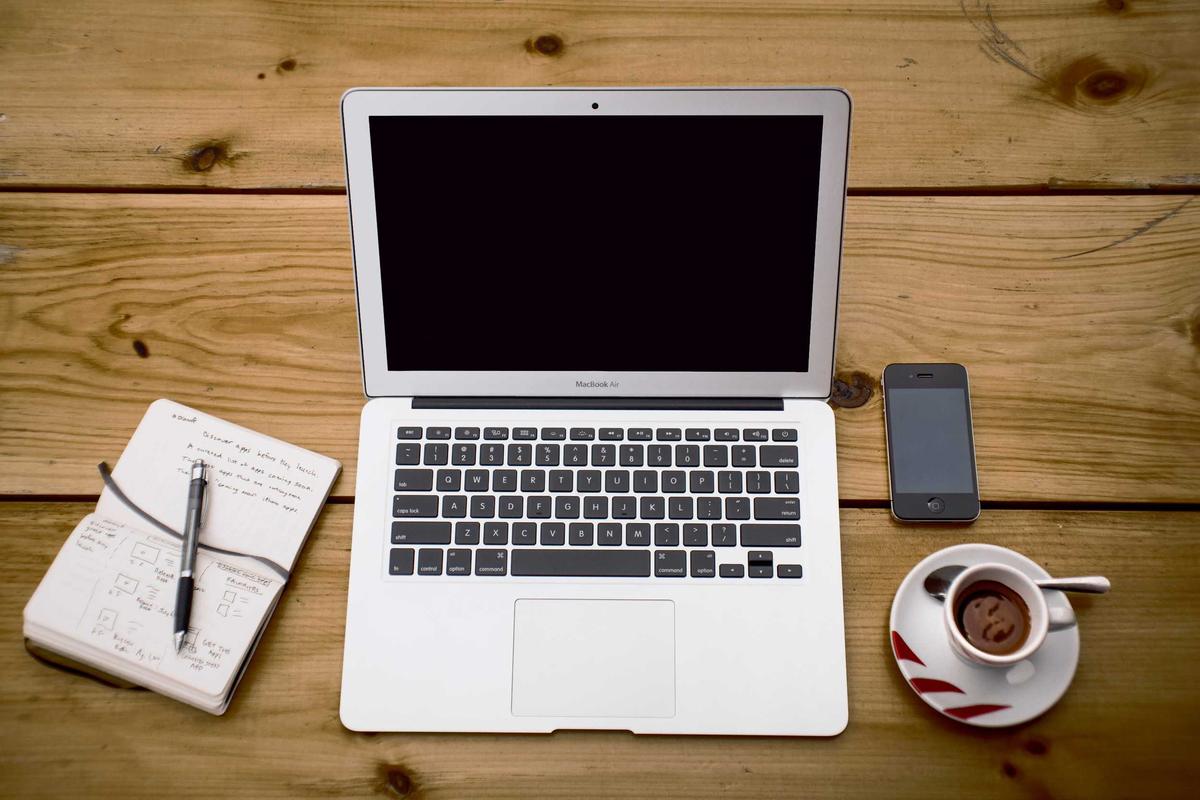
I visited a Hub in the Cotswolds, a converted barn with a sign that said 'Co-working Space: Bring Your Own Wool'. Inside, a woman was videoconferencing while a hen pecked at her laptop. 'It's the perfect balance,' she told me, before apologising to her boss for the 'ambient farm noise'. 'I get the urban connectivity with the rural tranquility,' she added, as a tractor drowned out her voice.
The irony is thick enough to spread on a scone. These professionals have swapped the commute for the mucking out of stables. They have traded the stress of the Tube for the stress of a broody cockerel. They have discovered that the countryside is not a perpetual episode of 'Escape to the Country' but a place where the pub closes at three in the afternoon and the nearest takeaway is a thirty-mile drive through a single-track road.
And yet, the exodus continues. Estate agents report that 'rural hub' is now the most Googled term among London postcodes, beating 'antidepressants' and 'escape plan'. I met a couple from Hackney who bought a smallholding in Dorset. 'We wanted to grow our own vegetables,' they said, as their Aubergine sprouted a suspicious substance. 'And we wanted to be part of a community.' They then complained about the lack of a local yoga studio.
What is the final verdict, the ultimate verdict from this gonzo journalist? The great urban exodus is a shambolic, beautiful, absurd mess. These professionals will either find their soul or lose their mind, probably in a hedgerow. They will discover that the countryside is not a solution to the modern condition but merely a different flavour of the same problem. And we, the remaining urbanites, shall watch their Instagram updates with a mixture of envy and pity.
But then again, perhaps they are onto something. Perhaps the answer to the great digital angst is to sit in a field with a gin and tonic and listen to the silence. Or perhaps it is to buy a cow and name it after your former boss. Either way, the future is rural, and it will involve a lot of cheese.